Cryotherapy for Better Recovery: Tips to Maximize Every Session
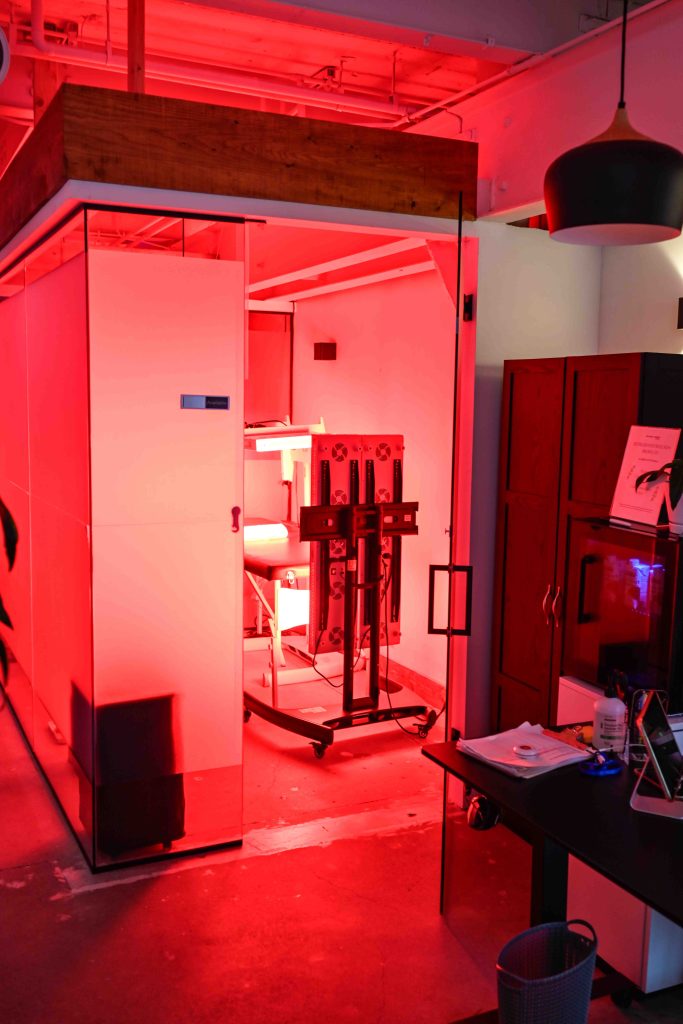

Cryotherapy has moved from niche training rooms into mainstream recovery routines, but the basics still matter more than the hype. A two or three minute cold exposure is not a magic fix for soreness, poor sleep, or overtraining. Used well, though, it can be a useful tool, especially for athletes, active adults, and anyone trying to manage post-exercise discomfort without leaning too hard on medication or passive rest.
The key is to treat cryotherapy as one part of a broader recovery strategy rather than the strategy itself. That distinction matters. People often book a session after a brutal workout, step into the chamber, and expect to feel brand new by dinner. What usually happens is more subtle. They feel more alert, the heavy ache in the legs eases a bit, and they may sleep better that night. Over time, if the timing and dose make sense, those small effects can support better training consistency. Consistency is where the real payoff lives.
What cryotherapy actually does for recovery
At its simplest, cryotherapy exposes the body to extreme cold for a short period. Whole-body sessions often last between two and four minutes, depending on the system, the setting, and individual tolerance. Local cryotherapy targets a single area, such as a knee, shoulder, or lower back, with a stream of very cold air.
Most people seek it out for one of three reasons: to reduce soreness, to calm down irritated tissue after hard training, or to get that immediate feeling of being refreshed and less beat up. Those are reasonable goals, but they are not identical. Soreness, inflammation, pain perception, and true tissue recovery overlap, yet they are not the same process.
Cold exposure causes blood vessels near the skin to constrict, shifts blood flow patterns, and changes how the nervous system perceives discomfort. Many people also notice a sharp mental lift afterward. That can be useful after travel, a dense training week, or a long workday followed by evening exercise. Still, less soreness does not automatically mean more healing. Sometimes it simply means you feel better, which is valuable in its own right, but worth understanding honestly.
In practice, cryotherapy tends to be most helpful when someone is trying to manage the day-to-day recovery load of regular training. Think of the runner stacking mileage during a half marathon build, the recreational tennis player with a touchy elbow during league season, or the strength athlete pushing volume blocks and trying to stay fresh enough to hit the next session. In those cases, a modest reduction in discomfort can make the week more manageable.
The timing question most people get wrong
Timing matters more than most first-time users realize. If the goal is to reduce immediate soreness or calm down a body part that feels hot and angry after training, cryotherapy soon after exercise may make sense. If the goal is long-term adaptation, the answer gets more nuanced.
There is a trade-off here. Some inflammation is part of how the body adapts to training. That is especially relevant for strength and hypertrophy work. If someone jumps into intense cold exposure after every lifting session, particularly during a phase focused on muscle growth or maximal strength gains, there is some concern that they may blunt part of the training response. The evidence is not absolute across every context, but the concern is real enough that experienced coaches often use cold recovery selectively rather than automatically.
That is why session timing should match the training block. During a competition phase, tournament weekend, or dense run of games, feeling fresher tomorrow may matter more than squeezing every possible adaptation out of today’s session. During an off-season growth block, it can make more sense to use cryotherapy less often, or reserve it for especially demanding sessions, travel fatigue, or localized flare-ups.
A simple example illustrates the point. A soccer player in the middle of a three-match week usually benefits from prioritizing readiness between matches. In that situation, cryotherapy after the first or second match may be sensible. A lifter in a deliberate eight-week mass phase, on the other hand, probably should not make whole-body cryotherapy an automatic post-workout ritual after every lower-body day.
Know what kind of recovery you need
One reason people feel underwhelmed by cryotherapy is that they use it for the wrong problem. Recovery is not one single condition. It is a stack of different needs: muscular recovery, nervous system recovery, sleep restoration, joint irritation management, and overall energy.
If your legs feel puffy and heavy after a hard conditioning session, cryotherapy may help you feel lighter. If you have localized soreness around a tendon that has been grumbling for weeks, local treatment might offer temporary relief, but it will not replace the loading plan needed to actually improve tendon health. If your sleep is poor, your hydration is sloppy, and your training volume is out of control, no cold chamber will patch those holes.
This is where a little self-awareness goes a long way. Before booking a session, ask what problem you are trying to solve. Acute soreness after a race is different from chronic low back pain. General fatigue after travel is different from knee swelling after repeated jumping. The better you define the problem, the more intelligently you can use cryotherapy.
How to prepare for a session so it actually works
Preparation is rarely glamorous, but it affects the experience https://maps.app.goo.gl/hz2m9SGqrSggz6iw9 more than people expect. I have seen first-time users walk in dehydrated, underfed, and anxious, then label cryotherapy ineffective because the session felt miserable. Often, the issue was not the cold itself. It was the setup.
Arrive dry. Moisture makes cold feel more intense and less tolerable. Sweat, damp socks, and wet hair can turn a manageable exposure into a harsh one. If you are coming straight from training, give yourself a few minutes to cool down and dry off thoroughly.
Do not go in starved. You do not need a full meal beforehand, but heading into extreme cold while shaky, lightheaded, or underfueled is asking for a bad experience. A light snack and some water are usually enough. The goal is stability, not fullness.
Wear the protective gear exactly as instructed. Gloves, socks, slippers, and any other required coverings are there for a reason. Cryotherapy should feel intensely cold, but not unsafe. People who treat it like a toughness contest often learn the wrong lesson. Better recovery comes from repeatable sessions, not from proving how much discomfort you can tolerate once.
If you are new to it, say so. A good operator will explain what the chamber feels like, how long the session will run, and what signs mean you should stop. That conversation makes a noticeable difference. People tend to do better when they know the sensations are supposed to be sharp, dry, and brief, rather than mysterious.
Five practical ways to get more from every cryotherapy session
-
Match the session to the training week, not just the day. If you are in a phase where next-day readiness matters, cryotherapy is often more useful than when you are chasing long-term adaptation from every lift.
-
Choose local treatment when the problem is local. A cranky shoulder or irritated Achilles may respond better to targeted cold than a whole-body session that spreads the stimulus across the entire system.
-
Pair cryotherapy with basics that actually support recovery. Good sleep, enough protein, hydration, and sensible training load give the cold exposure something to work with.
-
Track your response for two to three weeks. Pay attention to soreness, readiness, sleep quality, and workout quality the next day. If nothing improves, adjust the timing or stop using it.
-
Keep the dose consistent. Bouncing between random session lengths and frequencies makes it hard to judge whether cryotherapy is helping or simply giving you a temporary mood lift.
That last point is one I wish more people respected. Recovery tools often fail because people use them impulsively. They book one session after a punishing weekend, then two weeks later try another after a terrible night of sleep, and then declare the method overrated or miraculous based on a feeling. Neither verdict means much. Use it on a stable schedule for a short trial, then assess.
Frequency, dose, and the reality of diminishing returns
More is not always better. For most active people, cryotherapy does not need to be a daily habit to be useful. Two or three sessions per week during heavy training blocks is often plenty. Some people benefit from a brief run of more frequent sessions after a competition, tournament, or especially taxing week, but that is different from using it endlessly because it feels productive.
The body also adapts to routines, including recovery routines. The first few cryotherapy sessions can feel dramatic. You step out buzzing, awake, and noticeably less stiff. After a while, the sensation may feel less remarkable. That does not mean it stopped working, but it does mean you should avoid chasing the initial rush by turning the exposure colder, longer, or more frequent than recommended.
There is a psychological trap here. Many recovery methods create a strong sensation, and strong sensations can be mistaken for strong results. Cryotherapy certainly feels like something happened. Sometimes that is helpful. Sometimes it encourages people to overvalue the session compared with quieter habits like getting an extra hour of sleep or walking after dinner. The quieter habits usually carry more long-term weight.
When cryotherapy shines, and when it probably will not
Cryotherapy tends to shine in-season, during tournament play, after repeated high-output efforts, and during travel-heavy periods when the body feels swollen, stale, or generally overcooked. Athletes often report that it helps them feel less beaten up the next day, especially when combined with decent nutrition and early sleep. For clients managing physically demanding jobs, it can also help after long shifts on their feet, provided the issue is generalized fatigue rather than a specific untreated injury.
It tends to disappoint people who expect it to fix structural problems. A frozen shoulder will not thaw because you stood in a cold chamber three times. A chronically overloaded patellar tendon needs load management and progressive rehab. Persistent low back pain needs a proper assessment, not just symptom relief. Cryotherapy may lower discomfort enough to let someone move more comfortably, which is useful, but it is not a substitute for diagnosis or treatment.
There is also the simple fact that some people do not enjoy cold exposure and never adapt to it well. They dread the session, tense up throughout, and leave more stressed than refreshed. That does not make them weak, and it does not make cryotherapy bad. It just means the tool may not suit them. Recovery is personal. A method only works if the person can use it consistently and safely.
What to do immediately after the session
The minutes after cryotherapy matter because the body is shifting quickly from intense cold back toward normal. This is not the time to slump into a chair and scroll your phone for half an hour. Most people feel best when they follow the session with light movement, normal hydration, and a calm transition back into the day.
A brisk walk, easy mobility work, or simply moving around for ten to fifteen minutes often helps. If the session was used between training bouts or competition efforts, that gentle movement can make the return to normal sensation feel smoother. If you are doing cryotherapy in the evening, pay attention to how stimulated you feel afterward. Some people sleep better after it. Others feel so alert that a late-night session pushes bedtime back. Your own pattern matters more than anyone else’s routine.
One practical mistake I see is using cryotherapy as permission to ignore pain signals. Someone feels a hot knee after repeated sprints, gets a session, and because the knee now feels calmer, they return to full intensity without adjusting anything that caused the irritation. Reduced pain can create false confidence. Always compare how you feel after cryotherapy with how the joint or muscle behaves the next morning and during the next workout.
A sensible checklist before you book another session
- Ask yourself whether the goal is to feel better tomorrow, or to maximize adaptation over the next eight weeks.
- Note whether the issue is whole-body fatigue or a specific area that may need targeted treatment.
- Consider the recovery basics first, especially sleep, hydration, calories, and training load.
- Review whether previous sessions produced a clear benefit in soreness, sleep, or next-day performance.
- Skip the session and seek medical input if you are dealing with unexplained pain, numbness, unusual swelling, or a condition that makes cold exposure risky.
That final point is not just legal caution. It is practical caution. People with certain cardiovascular issues, cold sensitivity disorders, poor circulation, or specific medical conditions may not be good candidates for cryotherapy. Pregnant individuals and anyone with an unstable medical condition should clear it with a qualified clinician. If a provider brushes off your health history, that is not a good sign.
Safety is not a side issue
The best cryotherapy session is one you can repeat without drama. Safety matters more than intensity. Follow the facility’s screening process, use the protective gear provided, remove sweat and metal items if instructed, and speak up immediately if something feels wrong. You should expect intense cold, tingling, and a strong urge for the session to end. You should not expect panic, burning pain, dizziness, or chest symptoms.
A reputable facility will monitor the session, explain the protocol clearly, and stop if needed. That level of professionalism matters because cryotherapy is easy to market and easy to misunderstand. A good operator behaves more like a careful technician than a hype machine.
It is also worth noting that different systems feel different. Electric whole-body chambers and nitrogen-cooled systems create distinct experiences, and local cryotherapy adds another variation. The best method for you may depend on access, comfort, and the problem you are trying to address. The coldest option is not automatically the most effective.
Making cryotherapy part of a real recovery plan
The people who get the most out of cryotherapy are usually the ones who stop asking whether it is amazing and start asking whether it is useful. That is a better question. Useful tools earn their place by solving a specific problem at the right time, for the right person, in the right amount.
If you recover slowly after matches, struggle with lingering soreness during heavy training weeks, or need a manageable way to feel more prepared for the next day’s work, cryotherapy may deserve a place in your routine. If you are already sleeping well, managing volume sensibly, eating enough, and still feeling beat up, it becomes even more worth testing. If the basics are missing, start there. No cold chamber can outwork chronic under-recovery.
A smart recovery plan has layers. Training design comes first. Sleep sits near the top. Nutrition and hydration are not far behind. Movement quality, mobility, and stress management matter too. Cryotherapy can sit inside that framework as a tactical tool, one that helps smooth rough edges and shorten the gap between a hard effort and feeling reasonably human again.
That is the right expectation. Not magic, not nonsense, just a tool with a real use case. Use it with purpose, track the response honestly, and let the results rather than the trend decide whether it belongs in your recovery arsenal.
SDBody Mission Hills
Address: 1747 Hancock St Ste C, San Diego, CA 92101
Phone number: +16197720252
FAQ About Cryotherapy
What does cryotherapy do for your body?
Cryotherapy exposes the body to extremely cold temperatures for a few minutes to trigger natural healing and recovery responses.
What are the negatives of cryotherapy?
The primary negatives of cryotherapy include skin burns, frostbite, temporary nerve irritation, and temporary spikes in blood pressure caused by extreme cold.
How much does cryotherapy typically cost?
A single session of non-medical cryotherapy typically costs between $40 and $100. However, prices vary significantly depending on the specific type of treatment, your location, and whether you purchase a membership or package.